Student Well-Being
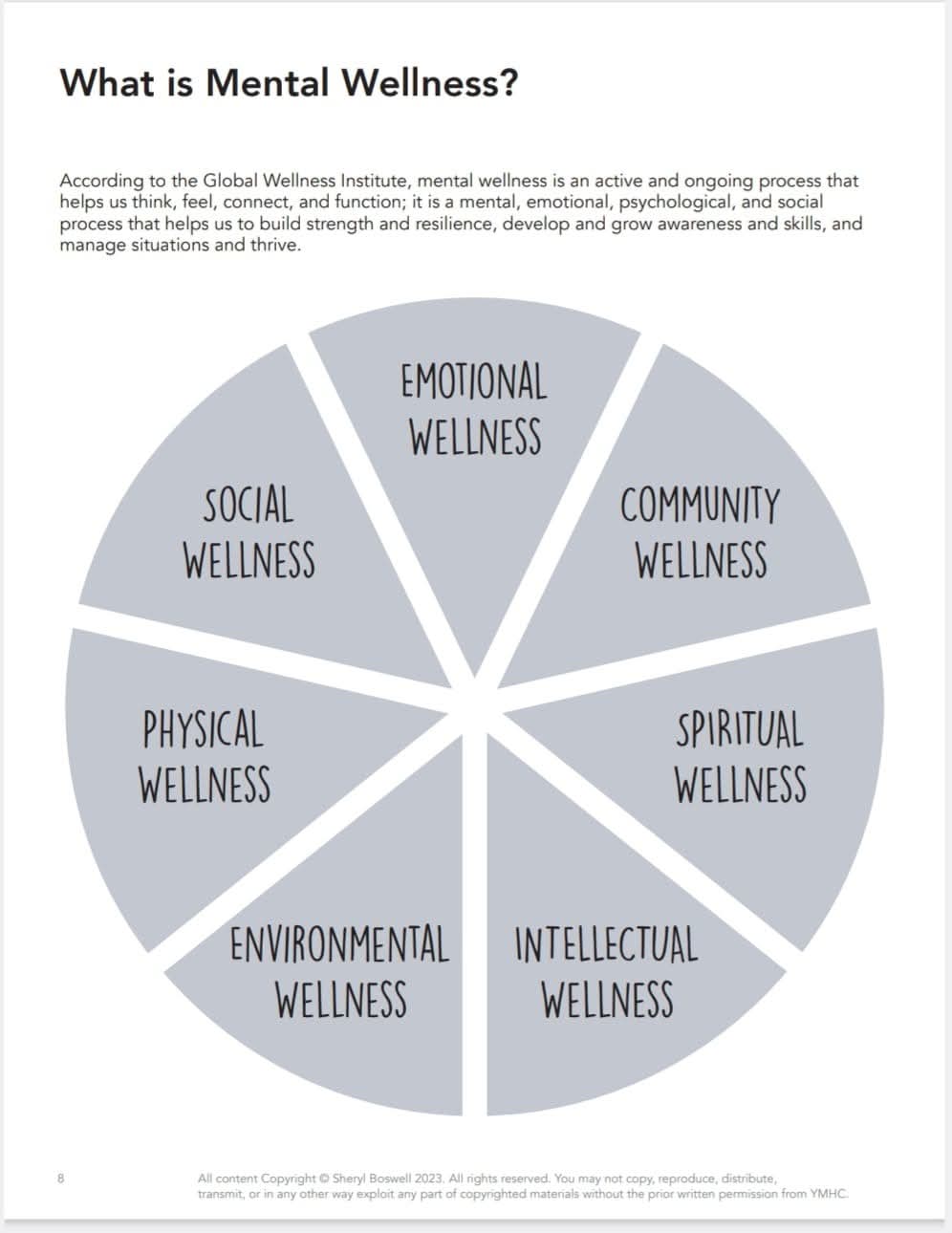
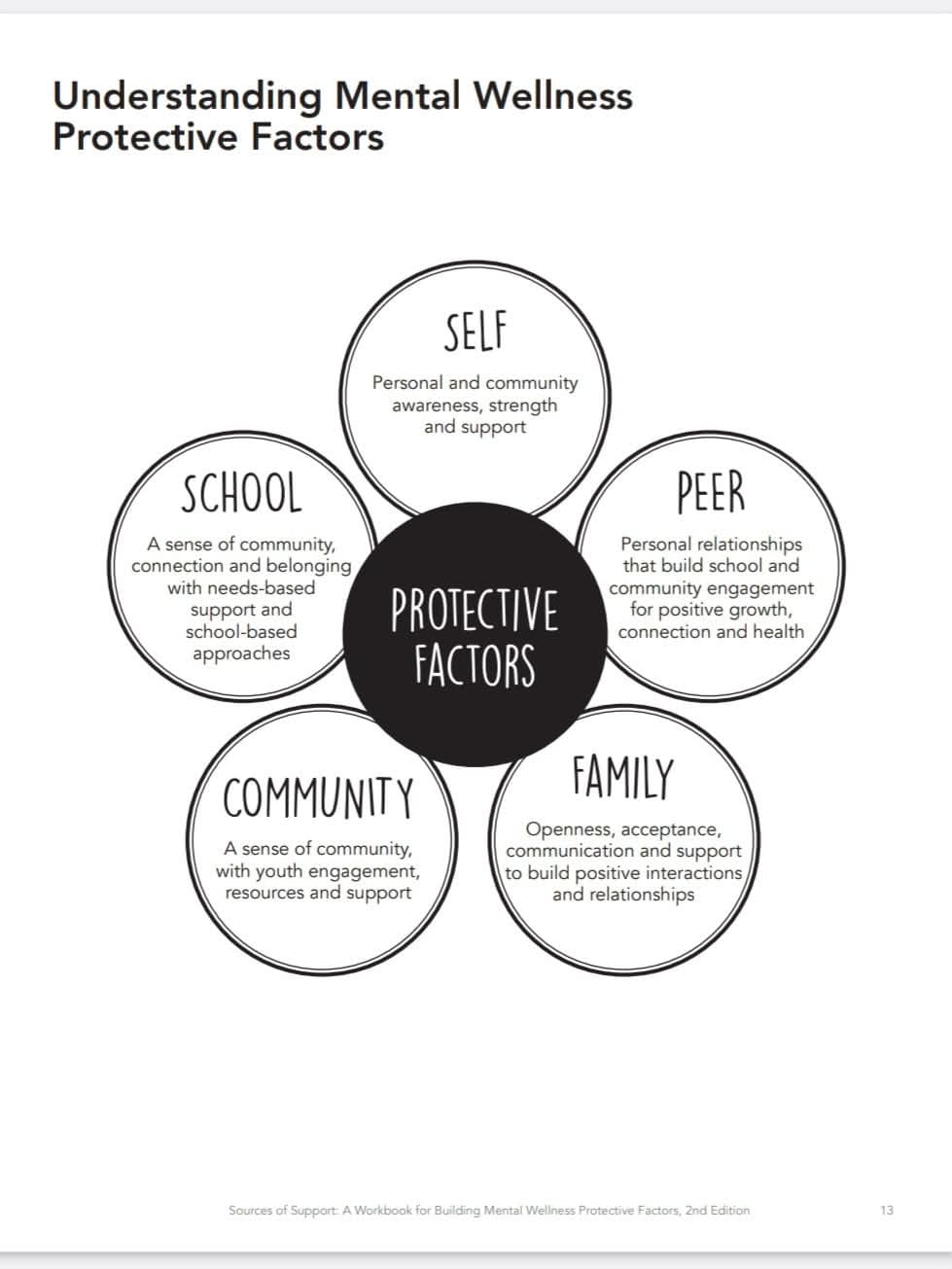
| What is Mental Wellness | Protective Factors |
|---|---|
 |  |
Why Student Well-Being Matters
Student well-being is fundamental to the ability of young people to access, participate in, and successfully manage education in Canada. When students’ mental, emotional, and social needs are not supported, their capacity to learn, attend school, and achieve their potential is significantly affected. The relationship between well-being and education is increasingly recognized as a central issue in Canadian education systems.
For students to access, manage, and thrive at school, their needs for well-being take precedence.
What is Student Well-Being?
Student well-being and school protective factors are the conditions that help students thrive, cope with challenges, and maintain positive mental health. They are the skills, strengths, resources, and relationships that reduce the risk of challenges in life and make it more likely that a student can cope, engage, stay connected, and access and manage learning. The Department for Education in the United Kingdom stated that well-being underpins children’s abilities to “develop, attend school, engage in learning, [and] fulfil their potential” (Promoting and Supporting mental health and wellbeing in schools and Colleges, 2021).
The Connection Between Well-Being and Learning
Mental health influences how students think, feel, and behave, all of which directly affect learning. Emotional distress can interfere with memory, concentration, and problem-solving, which are essential for academic success. Students who feel overwhelmed or unsafe may struggle to process information or complete tasks.
Educational research consistently shows that when feelings become too intense or stressful, the brain prioritizes coping with the emotional state rather than learning, which limits students' academic capacity and performance. This means that improving student well-being is not separate from education; it is a prerequisite for effective learning.
A Systemic Approach
Student well-being is not separate from education; it is a foundational condition for learning, engagement, and achievement. In Canada, growing concerns about youth mental health and school attendance highlight the need for education systems that prioritize mental wellness alongside academic instruction. When schools, families, and communities work together to support student well-being, young people are far more able to access, manage, and succeed in their education.
Student Wellbeing Pathways Model
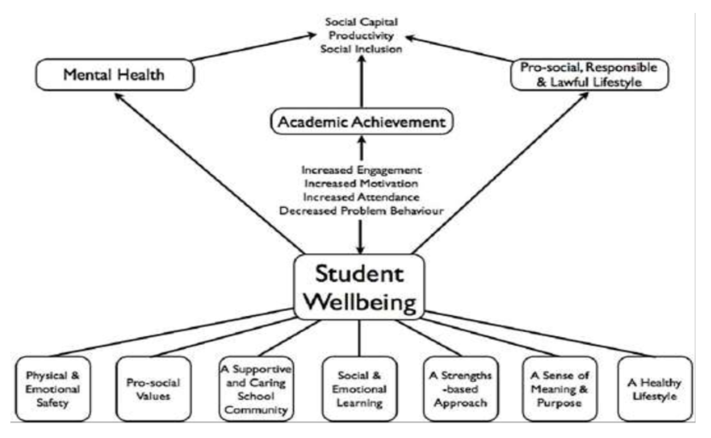
The Student Wellbeing Pathways Model provides a framework for schools to foster student mental health, academic success, and overall development through evidence-informed, systemic approaches.
Credit: The Student Wellbeing Pathways Model | Mudarrisa: Jurnal Kajian Pendidikan Islam, Vol. 15, No. 2, 2023